
BioFuture Additives transform PET, PE, PP, PS, PVC, PLA and synthetic textiles into non-toxic biomass — in months, not centuries. No microplastics. No manufacturing changes. Just add BFAs to your master batch.
Certified & Tested

See The Problem
metric tons of plastic produced
and counting
of all plastic ever made
has been recycled
BFA ratio needed — less than
the avg 1% let-down ratio
What We Do
Developing and distributing biodegradable alternatives to single-use plastics — packaging, utensils, bags and containers designed to break down naturally.
Reducing waste generation by replacing persistent plastics that last centuries with biodegradable alternatives that break down rapidly in natural environments.
Considering the full lifecycle — sourcing, manufacturing, and disposal. Prioritising sustainable materials that conserve resources and reduce carbon emissions.
Workshops, seminars, and campaigns raising awareness about sustainable alternatives, informing consumers, businesses, and policymakers.
Partnering with manufacturers, retailers, and distributors to expand the reach of biodegradable alternatives and make sustainable choices more accessible.
Investing in R&D to improve performance and versatility of biodegradable products, exploring new materials and technologies aligned with sustainability.
The Problem
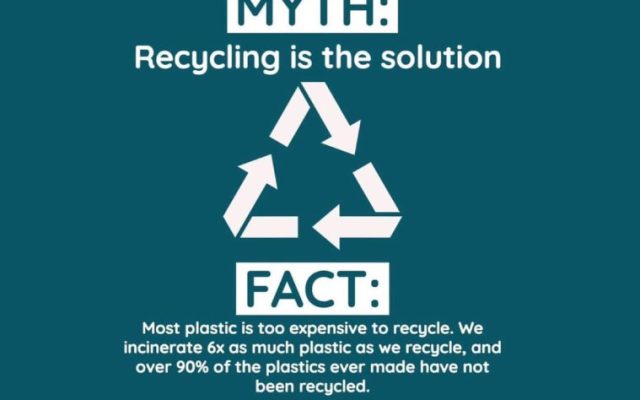
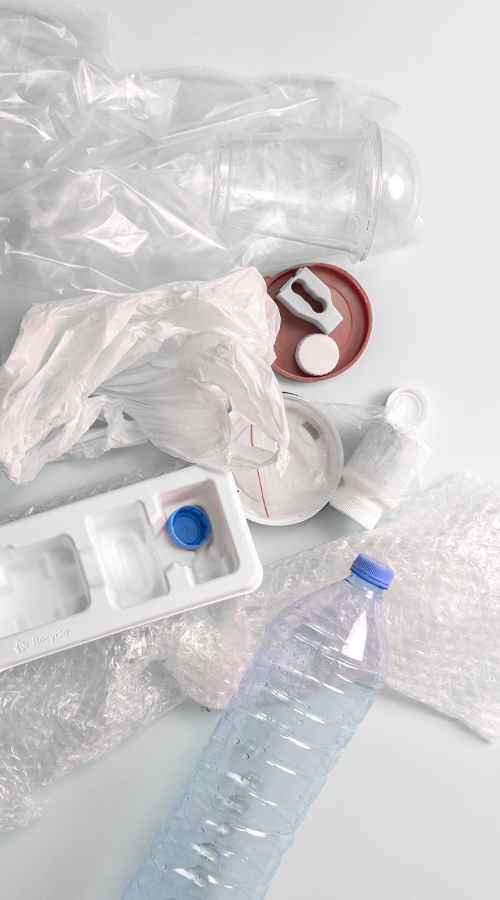
Plastics are everywhere — packaging, textiles, construction — contributing to an escalating environmental crisis. Traditional recycling can't cope with the volume. Compostable alternatives still leave behind microplastics. The world needs a fundamentally different approach.
The Solution
Our patented technology doesn't just break down plastics — it converts them into non-toxic biomass, supporting the natural carbon cycle. Not disposal. Not recycling. Regeneration.
Transforms polymers into biomass once they reach microbe-rich environments — landfills, oceans, and industrial composting sites.
Meet BioFuture Additives
Add BFAs to your existing master batch. No equipment changes. No process disruption. Just a 0.5% additive ratio that changes everything.

Completely organic additives safe for food contact packaging with zero harmful residues.

BFA-treated plastics don't fragment — they fully convert to biomass. No microplastic pollution.

Remains compatible with conventional recycling streams. Certified recycling-friendly.
Greater functionality and recycling flexibility than plant-based alternatives. No agricultural land impact.

Leaves behind only compostable biomass that enriches soil — turning waste into a resource.

Add BFAs directly to your master batch. No new equipment, no workflow changes, no retraining.

Effective across PET, PE, PP, PS, PVC, PLA, and synthetic textiles including polyester and nylon.

Maintains product strength and shelf life. BFAs only activate in microbe-rich decomposition environments.

Minimal raw material cost increase for massive environmental impact. Effective at just 0.5% ratio.
The Process
Our additives are engineered to alter the chemical structure of the polymer, making it attractive to naturally occurring microbes. This alteration is imperceptible during the product's use but becomes active only in microbe-rich environments like landfills, oceans, or composting sites.
Stability During Use
Unlike other degradable plastics, our materials maintain their full strength, flexibility, and usability throughout their lifecycle. They do not degrade or compromise functionality during manufacturing, usage, or storage.
Only when the product reaches a microbe-rich environment, the altered polymer structure is recognised as a food source by specific microbes. This initiates the breakdown process, where microbes consume the material.
Complete Conversion
The polymers are fully metabolised by these microbes, converting the plastics into non-toxic biomass, water, and carbon dioxide. This closed-loop system supports carbon neutrality by returning organic matter to the earth.
Unlike conventional biodegradable materials that fragment into microplastics, BioFuture's additives ensure a complete microbial consumption, leaving no harmful residues or toxic chemicals.
Environmentally Safe
The end products — biomass, water, and CO₂ — are non-toxic, contributing to soil health and environmental regeneration without any adverse ecological impact.
Our additives' recycling-friendly design makes plastics fully recyclable within existing systems. They maintain their integrity until exposed to a specific microbial environment, ensuring that recycling streams are not contaminated or disrupted.
Supporting Circularity
By converting plastics into biomass, BioFuture supports the circular economy, enabling a sustainable lifecycle from production to regeneration.
Proven Results
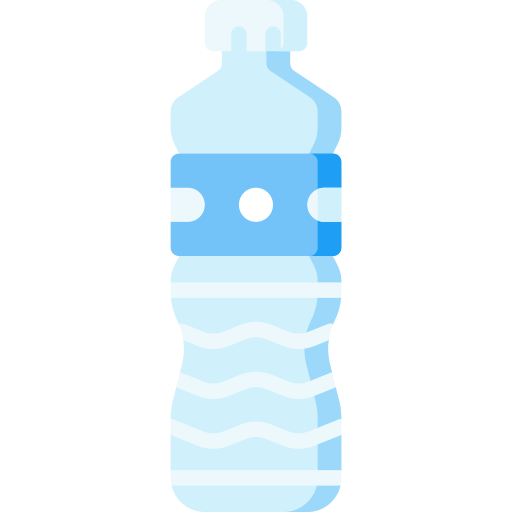
Tested sample plastic water bottle with BFAs:
Composting
within 136 days
(ASTM D5338)
Marine
within 250 days
(ASTM D6691)
Landfill
within 173 days
(ASTM D5511)
Where BFAs Work

BFA-treated plastics bioconvert in biologically-active landfills where microbial activity drives decomposition into non-toxic biomass.

In ocean environments, BFA-treated materials attract microbial colonization and convert to biomass without releasing micro or nano plastics.

Industrial composting sites provide optimal conditions for rapid bioconversion, producing nutrient-rich compostable residue.
The Science
Biodegradation rates measured according to the ASTM D5511 test method — the gold standard for anaerobic biodegradation testing under high-solids conditions.
BFA-treated materials don't contaminate recycling streams.
Supports the natural carbon cycle — no net carbon emissions.
All results independently verified under controlled conditions.
What People Say

John Peter
Health Enthusiast
"Your organic business exceeds expectations with top and eco-friendly methods."

Robert White
Farmer
"Thrilled with the freshness and integrity behind every product from your organic business."

Sarah Jones
Homeowner
"Impressed by the quality sustainable practices of your organic business."

Daniel Clark
Consumer
"Grateful for the dedication to organic excellence evident in your business operations."
From The Blog
Industry News
The largest issue with plastic trash in India is not the volume of waste produced, but rather inefficient waste management,…
Science
Dear Sustainability Leaders, Procurement Heads, and Partners in Progress, Every sustainable breakthrough starts with a question. Ours was simple: Why…

Sustainability
In 2019, Greta Thunberg became the youngest person to ever be named Time Magazine’s person of the year. An announcement…
Partner With Us
Together, we can redefine sustainability, turn waste into a resource, and inspire a future where plastics don't just decompose — they bioconvert.
dean@biofutureadditives.com
Stay Informed
Sign up for our monthly newsletter briefing you on bioconversion and everything in the circular economy.
Stay informed
Monthly insights on bioconversion and the circular economy.