From Persistent Polymers to Regeneration: The BioConversion Story
For decades, plastic pollution has followed a linear path: Make → Use → Waste.
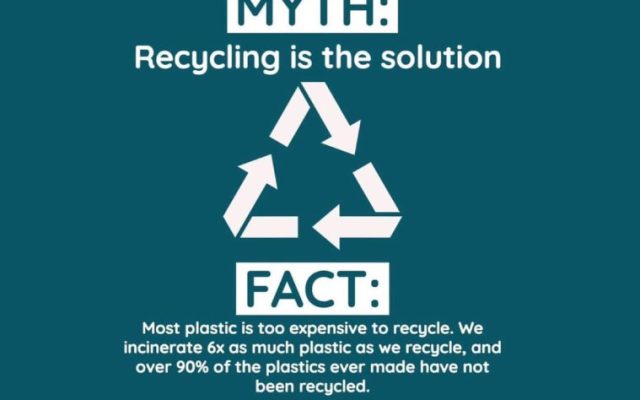
Billions of tons of polymers—packaging, textiles, films, synthetic rubbers—are used once and persist for centuries. Even the so-called "biodegradable" plastics often leave behind microplastics, toxins, or only degrade under ideal, industrial conditions.
The world has been sold half-solutions. www.BioFutureAdditives.com
❌ The Problem with Traditional Biodegradation
Biodegradation isn’t enough.
It’s passive. It’s slow. And worst of all—it often leaves something behind:
- Microplastics
- Methane
- Chemical residues
The result? Pollution doesn't vanish. It just changes form.
🌱 Enter Regeneration Through Bioconversion
Regeneration means more than breaking down. It means transforming materials back into life-supporting forms.
Thanks to bioconversion, polymers treated with BioFuture Additives are no longer persistent. They re-enter the biological cycle—completely.
These materials don’t just degrade. They:
- Are consumed by microbes in landfill, marine, or compost conditions
- Are converted into biomass, water, and CO₂
- Leave no toxins, no microplastics
- Support ecosystems instead of harming them
🌍 Biomass: Nature’s Currency
Biomass is the building block of life— Organic material made from plants, microbes, or decomposed organisms.
When plastic becomes biomass, it doesn’t just “disappear.” It regenerates.
That carbon feeds microbial life, enriches soil, supports ocean health, and completes an ecological cycle.
This isn’t just sustainability. This is healing.
🔬 So Where Does BioFuture Fit In?
BioFuture Additives are engineered for real-world impact:
✅ Compatible with all major polymers — PET, PP, PE, PS, PLA, textiles ✅ Inert in storage — Activated only in microbe-rich environments ✅ Certified — Intertek Green Leaf: >5% bioconversion in 45 days ✅ Compliant — ASTM, ISO, FDA, EU Food Safety, RoHS, REACH ✅ Results — Non-toxic, regenerative biomass as the final output
While others promise "biodegradable," We deliver regeneration.
Because the future of plastic isn't just less harm — It's active restoration.